Essential Receipts and Records for Property Insurance Claims
Table Of Contents
Legal Documents Related to Property Ownership
One important aspect of property insurance claims is having the correct legal documentation that proves ownership. Common documents include the title deed and mortgage papers. These papers provide essential information about the property, such as legal descriptions, boundaries, and any mortgages or liens that may exist. Keeping these documents in an easily accessible location can help expedite the claims process when dealing with insurance providers.
Another critical piece of documentation is any additional agreements related to the property, such as leases or rental agreements. These documents not only clarify the ownership status but also outline any obligations or rights concerning the property. Having this information on hand is necessary for supporting your claim and demonstrating the legitimacy of your ownership, which can influence the outcome of your insurance assessment.
Key Papers to Have on Hand
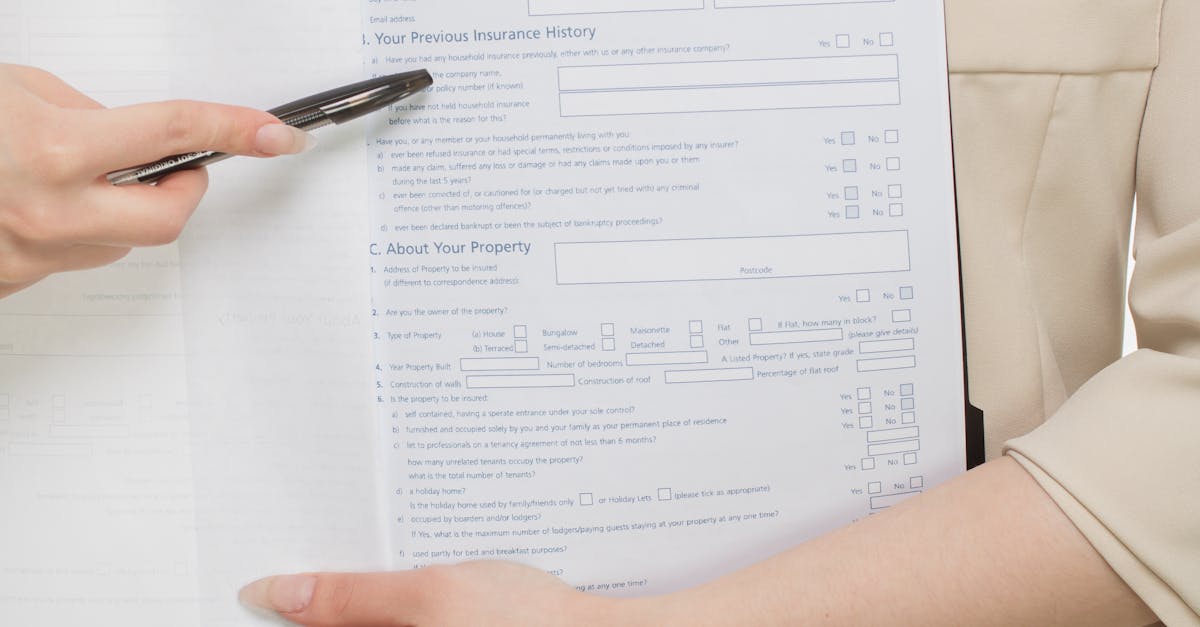
When preparing to file a property insurance claim, having the right documentation readily available is crucial. Important papers include the original property purchase agreement, mortgage documents, and any titles or deeds that establish ownership. Receipts for major renovations or upgrades are also essential, as they provide proof of the property's value and the investments made. Insurance policy documents outlining coverage limits and specific inclusions should be gathered as well, as these details are vital during the claims process.
Additionally, keeping documentation regarding any previous claims can be beneficial. This may involve records of prior insurance payouts or repair work completed as a result of earlier claims. Finally, it's wise to compile any correspondence related to your policy or property, including emails and letters from your insurer. Such records will facilitate clear communication and may help to resolve disputes that could arise during the claims process.
Communication with Insurance Adjusters
Effective communication with insurance adjusters is crucial during the claims process. Clear and timely exchanges can help clarify any misunderstandings and expedite the evaluation of your claim. It is important to maintain a calm and professional attitude when discussing your case, even if issues arise. Keep your documentation organised and present relevant information concisely. This approach not only fosters a good working relationship but also ensures that the adjuster has all necessary details to assess your situation accurately.
Documenting conversations and correspondences is vital for tracking the progress of your claim. Take notes during phone calls and summarise any key points discussed, including dates and any commitments made by the adjuster. Following up with a brief email recap can provide an additional written record that may help prevent disputes later on. By keeping an accurate log of your interactions, you can refer back to previous discussions and strengthen your position if discrepancies occur during the claims process.
Keeping Records of Conversations and Correspondences
Documenting all interactions with your insurance adjuster is essential for a successful claims process. Keep a detailed log that includes dates, times, and names of those you speak with. This record not only aids in maintaining the accuracy of the information exchanged but also demonstrates your diligence in handling the claim.
Retaining copies of all written correspondence can mitigate misunderstandings later. Emails, letters, and any texts regarding your claim should be saved in a dedicated folder. This methodical approach to documentation can provide clarity and serve as evidence should disputes arise during the claims process.
Maintaining an Ongoing Property Maintenance Log
A property maintenance log serves as a detailed account of all repairs, inspections, and upgrades made to a property over time. Keeping this log updated helps demonstrate that the property has been well cared for and maintained. This documentation can include various activities such as routine pest control, roof inspections, or garden maintenance. By maintaining clear records, property owners can provide evidence of diligence in upkeep, which may play a crucial role in the event of an insurance claim.
Regular updates in the log not only help in tracking the history of the property but also establish a timeline for improvements and repairs. When filing an insurance claim, having access to a comprehensive maintenance history can support the validity of the claim. Insurers often look for proof of regular maintenance to gauge the property’s condition before the incident that led to the claim. This proactive approach can ultimately reinforce a property owner’s position during the claims process.
How Regular Updates Can Support Your Claim
Documenting ongoing property maintenance is essential for any property owner. Regular updates illustrate a commitment to the upkeep of the property and can significantly bolster your insurance claim. Each entry will serve as evidence that the property was well cared for, highlighting efforts to prevent damage. These records can also indicate previous issues that were addressed promptly, which helps insurers understand the context of any claims made.
As you maintain this log, include details about repairs and improvements, along with relevant dates and descriptions. Photographic evidence can further strengthen your case by providing visual proof of the conditions prior to damage. Consistent documentation creates a comprehensive narrative that can help clarify the circumstances surrounding a claim, ultimately impacting how the insurer assesses the situation. By staying organised and diligent with your updates, you can better position yourself in the claims process.
FAQS
What legal documents should I keep related to property ownership?
It's important to keep documents such as the title deed, mortgage agreements, and property tax records to establish ownership and any obligations you may have.
What key papers should I have on hand for an insurance claim?
You should have your insurance policy, receipts for repairs and improvements, and any documentation related to previous claims or damage assessments.
How should I communicate with insurance adjusters?
Maintain open and clear communication. Provide all necessary documents promptly and ask for clarification on anything you don't understand to ensure a smooth claims process.
Why is it important to keep records of conversations and correspondences with my insurer?
Keeping records helps create a clear timeline of your interactions, which can be useful if there are any disputes or misunderstandings during the claims process.
How can maintaining an ongoing property maintenance log support my insurance claim?
An ongoing maintenance log provides evidence of regular upkeep and can demonstrate that you have properly maintained your property, which can strengthen your claim in the event of damage.
Related Links
Best Practices for Assembling Claim DocumentationCommonly Required Forms for Commercial Property Insurance Claims
Frequently Overlooked Documents in Commercial Property Insurance Claims
Navigating the Documentation Maze in Commercial Property Insurance
The Importance of Supporting Documents in Claim Success
Complete Guide to Claim Documentation for Business Properties